How to Choose the Right Custom Apparel Manufacturer in 2026
- Share
- Issue Time
- Jan 3,2026
Summary
Learn how to choose a reliable custom apparel manufacturer in 2025. Expert tips on MOQ, quality control, OEM services, and factory selection.
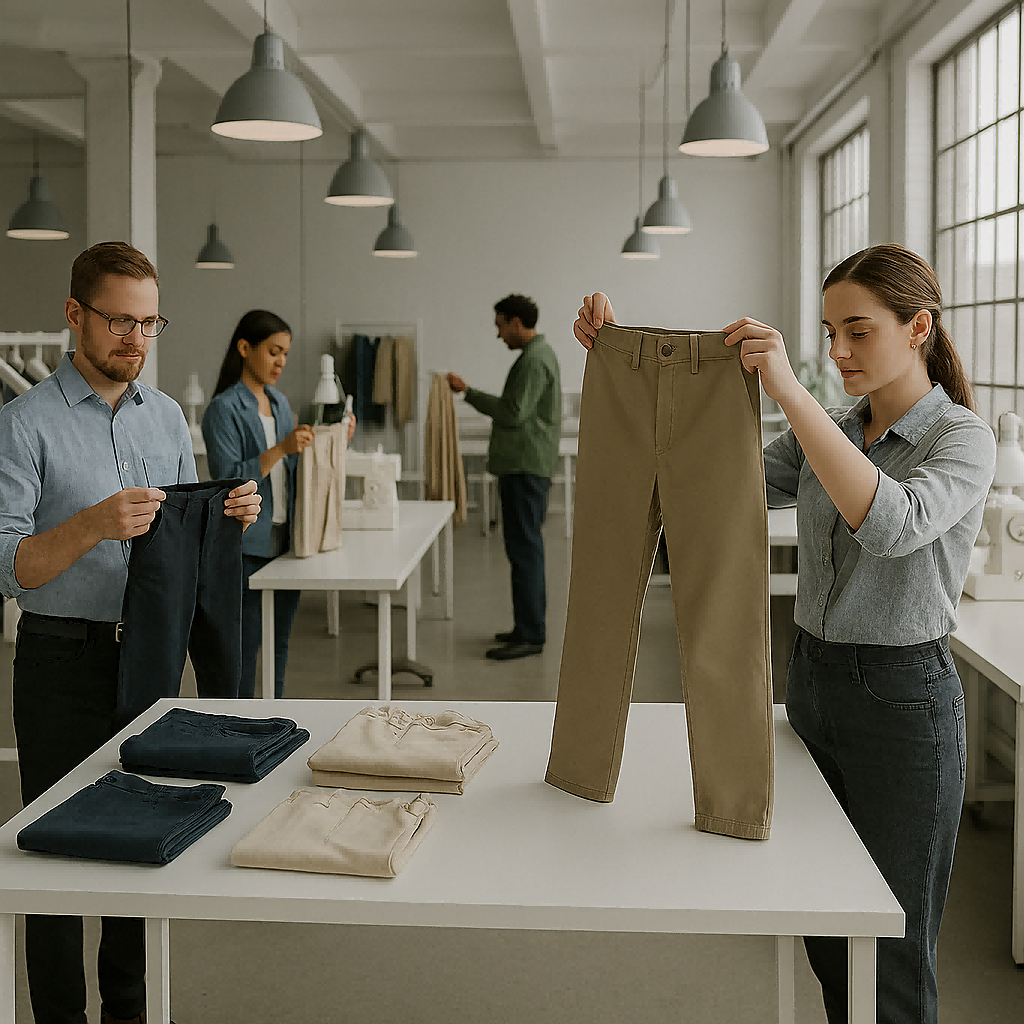
Choosing the right custom apparel manufacturer is one of the most critical decisions for any clothing brand, retailer, or startup. In 2026, rising production costs, longer lead times, and inconsistent quality make this choice even more important.
A reliable manufacturer does more than produce garments — they help you control risk, protect your brand reputation, and scale sustainably. This guide explains how to evaluate a custom apparel manufacturer step by step, based on real production experience and industry best practices.
1. Look for Proven Manufacturing Experience, Not Just Sales Promises
Many suppliers market themselves as "manufacturers," but not all of them have real, in-house production capabilities. A reliable custom apparel manufacturer should demonstrate:
• Hands-on experience in specific product categories
• In-house pattern making and sampling
• Clear production workflows
• Real factory facilities, not outsourced workshops
Manufacturers with focused expertise — such as casual wear, pants, or athleisure — tend to deliver more consistent results than factories producing everything.
Artisan Casual, for example, specializes in custom casual wear and pants manufacturing, allowing tighter quality control and better fit consistency across bulk orders.
2. Evaluate Product Specialization and Fit Expertise
Different apparel categories require different technical skills. Pants, joggers, and casual bottoms involve complex pattern grading, fit balance, and sewing precision that generic factories often struggle with.
When choosing a manufacturer, ask:
• What products do you specialize in?
• Can you show similar styles you’ve produced?
• How do you handle fit adjustments and size grading?
A specialized manufacturer reduces sampling rounds, improves fit accuracy, and lowers production risk — especially for private label brands.
3. Assess Customization Capabilities Beyond "Logo Printing"
True custom apparel manufacturing goes far beyond adding a logo. A professional manufacturer should support:
• Fabric selection and weight adjustment
• Custom sizing and fit development
• Printing and embroidery options
• Woven labels, wash labels, hangtags
• Brand-specific packaging
Artisan Casual offers OEM, ODM, and private label services, supporting brands from concept development to bulk production — whether clients have full tech packs or only reference images.
4. Understand MOQ Flexibility and Scalability
Minimum order quantity (MOQ) directly affects your cash flow and risk, especially for new brands. In 2025, the best manufacturers balance production efficiency with brand flexibility.
A good manufacturer should:
• Offer reasonable MOQs for test orders
• Explain MOQ differences clearly
• Support scaling once the product performs well
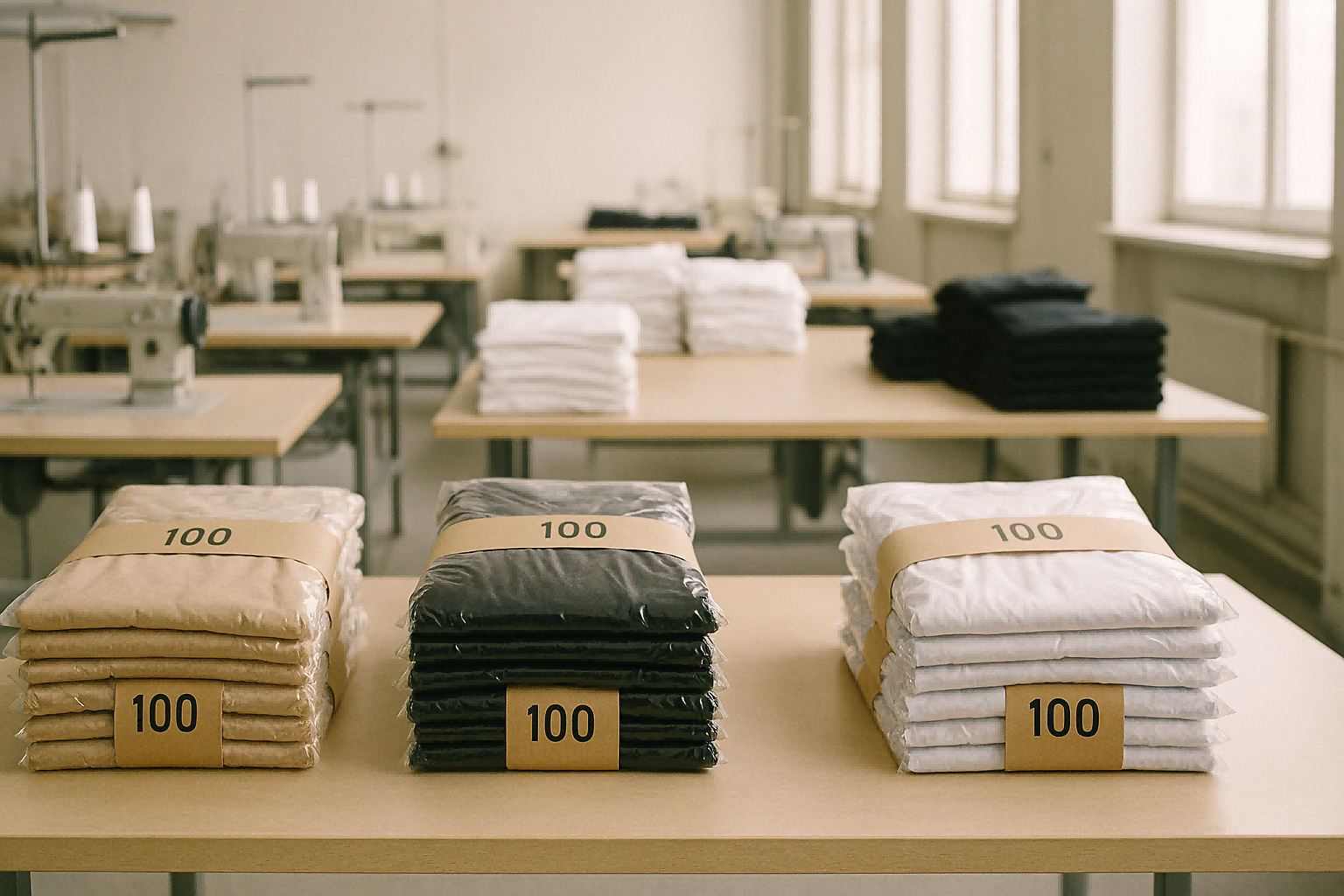
Artisan Casual's MOQ typically starts from 100 pieces per style, making it suitable for startups while remaining scalable for growing brands.
5. Review the Sampling and Development Process
Sampling is where many problems begin — or are prevented.
Ask your manufacturer:
• How long does sampling take?
• How many revisions are included?
• Who communicates fit or material changes?
An experienced manufacturer uses sampling as a collaboration process, not a one-time transaction. Clear communication during this stage significantly reduces bulk production issues.
At Artisan Casual, samples are developed with direct feedback loops between designers, technicians, and production teams, ensuring bulk orders match approved samples.
6. Verify Quality Control Systems
Quality control should be systematic, not reactive. Reliable manufacturers implement QC at multiple stages:
• Fabric inspection before cutting
• In-line checks during sewing
• Measurement and workmanship inspections
• Final inspection before packing
This layered approach prevents small issues from becoming large, costly problems.
Artisan Casual integrates quality control throughout production, helping international clients avoid delays, rework, and shipment disputes.
7. Check International Experience and Communication Standards
If you work with overseas manufacturers, communication quality is just as important as production capability.
Key questions include:
• Do they work with international brands?
• Can they communicate clearly in English?
• Do they provide production updates?
Manufacturers experienced with global clients understand export requirements, documentation, and delivery coordination.
Artisan Casual supports clients across North America, Europe, the Middle East, and Asia, offering transparent communication from sampling to shipment.
8. Factory Direct vs Trading Company: Why It Matters
Working directly with a factory gives you:
• Better pricing transparency
• Faster decision-making
• More control over quality and timelines
Trading companies can be useful in some cases, but factory-direct manufacturers provide stronger long-term partnerships for brands focused on consistency and growth.
Artisan Casual operates as a direct garment manufacturer, ensuring full control over materials, workmanship, and delivery schedules.
9. Evaluate Long-Term Partnership Potential
The best manufacturers don't just fulfill orders — they grow with your brand.
Look for partners who:
• Offer improvement suggestions
• Understand your target market
• Help optimize cost and production efficiency
A long-term manufacturing partner can significantly reduce development costs and shorten lead times over time.

Choosing the Right Manufacturer Is a Strategic Decision
In 2026, choosing a custom apparel manufacturer is no longer just about price. It's about reliability, expertise, transparency, and long-term value.
By evaluating specialization, customization capability, quality control, and communication, brands can avoid costly mistakes and build strong foundations for growth.
Artisan Casual supports brands with focused manufacturing expertise, flexible MOQs, and professional OEM/ODM services — helping clients turn designs into reliable, market-ready apparel.
Ready to start your custom apparel project?
Explore our manufacturing services or contact Artisan Casual to discuss your design, quantity, and production goals.